

Co-Founder & Director
Lee Robinson

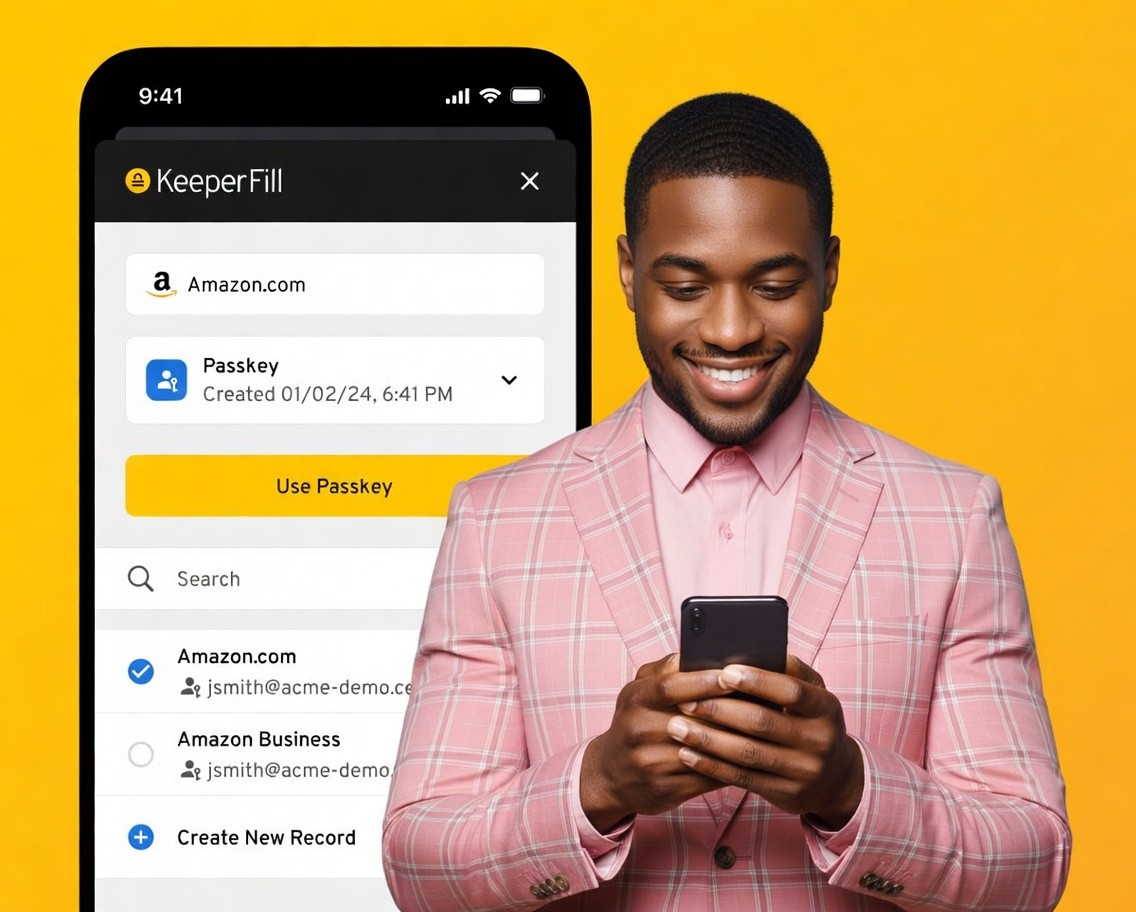
Passwords are no longer enough. Passkeys offer a simpler, safer way to protect your business from cyber threats—without the complexity.
The Problem with Passwords
For decades, passwords have been the foundation of business security. Yet today, they represent one of the biggest vulnerabilities in any organisation. Weak passwords, password reuse, and phishing attacks are responsible for a significant proportion of data breaches.
Even with policies in place, employees often struggle to maintain strong, unique passwords across multiple systems. This creates unnecessary cyber risk and puts pressure on IT teams to enforce compliance.
In an era where IT security and GDPR compliance are critical, businesses need a more secure and user-friendly alternative.
What Are Passkeys?
Passkeys are a modern replacement for traditional passwords. Instead of relying on something a user remembers, passkeys use secure digital credentials stored on a device—such as a smartphone or laptop.
In simple terms, a passkey works like this:
When you log in, your device confirms your identity using something you already use—like a fingerprint, facial recognition, or device PIN
Behind the scenes, a unique cryptographic key is used to authenticate you securely
No password is ever typed, stored on a server, or shared
This means there is nothing for hackers to steal, guess, or phish.
Why Passkeys Are More Secure
1. Phishing-Proof Authentication
Passkeys cannot be tricked by fake login pages. Unlike passwords, they only work with legitimate websites and systems, dramatically reducing the risk of phishing attacks.
2. No Shared Secrets
Traditional passwords are stored (even if encrypted) on servers. Passkeys eliminate this risk entirely by keeping sensitive authentication data on the user’s device.
3. Strong by Default
There’s no such thing as a “weak” passkey. They are automatically generated using advanced cryptography, ensuring maximum security without relying on user behaviour.
4. Seamless User Experience
From a business perspective, usability is just as important as security. Passkeys remove the need for password resets, reducing helpdesk tickets and improving productivity.
What This Means for Your Business
Adopting passkeys isn’t just a technical upgrade—it’s a strategic move towards stronger cyber risk prevention.
Businesses that implement passkeys benefit from:
Reduced risk of data breaches
Improved compliance with GDPR and data protection standards
Lower operational overhead for IT teams
Enhanced user experience for employees and clients
For organisations focused on managed IT services and long-term resilience, passkeys represent a clear step forward.
Managing Passkeys with Keeper
While passkeys simplify authentication, businesses still need a secure and centralised way to manage them—especially across teams and devices.
This is where a professional password manager like Keeper becomes essential.
Keeper enables organisations to:
Store and manage passkeys securely in an encrypted vault
Sync access across authorised devices and users
Maintain visibility and control over authentication methods
Enforce security policies across the organisation
Rather than relying on individual devices alone, Keeper provides a structured, business-grade solution that aligns with IT governance and compliance requirements.
The Transition from Passwords to Passkeys
It’s important to recognise that this transition won’t happen overnight. Most businesses will operate in a hybrid environment where both passwords and passkeys are used.
A managed approach ensures:
Legacy systems remain secure
Employees are guided through the transition
Security policies evolve without disruption
Working with an experienced IT security partner ensures that this shift is handled strategically, minimising risk while maximising long-term benefits.


